Why AI Assistants Can't Replace Specialized Tools
AI is intelligence without a nervous system. It needs purpose-built data infrastructure to be truly useful.
The rise of AI assistants like Claude has sparked a reasonable question: if AI can analyze anything, advise on anything, and synthesize information instantly, what's the point of specialized tools?
The answer lies in understanding what AI actually is and what it isn't.
For teams ready to see this in practice, Vereda AI's free Slack standup bot is a good starting point — it captures daily signals that make AI insights possible.
Intelligence Without a Nervous System
Large language models are extraordinary reasoning engines. They can process information, identify patterns, and generate insights with remarkable sophistication. But they're not data collection infrastructure. They're not persistent memory.
They can't send your team a pulse survey every two weeks, track sentiment over quarters, or integrate with your Slack channels to understand the rhythm of your engineering organization.
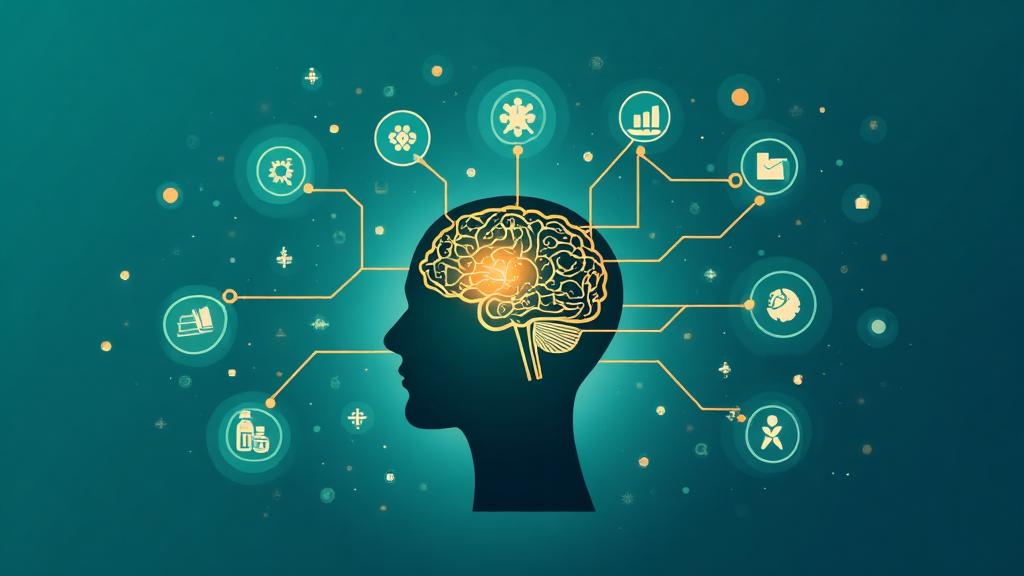
AI is intelligence without a nervous system.
The Data Layer That Makes AI Useful
This is where tools like Vereda AI become not just relevant, but essential. In a world where every manager has access to AI, the differentiator isn't the intelligence layer. It's the data that feeds it.
Vereda AI collects the signals that matter: how engineers are actually feeling, what's blocking them, where burnout is creeping in, which teams are thriving and why.
This isn't information that exists in a vacuum waiting for AI to find it. It requires intentional infrastructure: structured check-ins, pulse surveys, standup summaries, 1:1 documentation. That creates a longitudinal record of team health.
The Real Unlock
The real unlock is what happens when these two layers combine. Instead of logging into a dashboard and interpreting charts, imagine asking:
- "How has my team's energy changed since we shifted to the new sprint cadence?"
- "Which engineers should I prioritize for 1:1s this week?"
The AI can reason about the question. But it can only answer it if something has been collecting and structuring the underlying data. That's the job of purpose-built tools: to be the sensing layer that makes AI actually useful for the specific domain you care about.
The New Standard for Tools
AI doesn't replace specialized tools. It raises the bar for what they need to deliver.
The tools that survive won't be dashboards competing with ChatGPT for analysis. They'll be the infrastructure that captures what AI cannot: real, consented, contextual data from the humans in your organization. And makes it available for intelligence to act on.