Engineering Insights Blog
Discover the latest insights on engineering team analytics, AI-powered management, and best practices for scaling high-performing teams.

The Pattern We Keep Building: Turning Scattered Signals Into One Clear Recommendation
Standup text, home-walkthrough video, and zoning ordinances look nothing alike. Here's the one AI pattern Vereda's studio keeps reusing across all three products — and the one place we deliberately don't use AI at all.
A daily standup message, a two-minute video of your living room, and a city's zoning code have nothing in common on the surface. Underneath, we keep solving the same problem three different ways.

Why We Turned a Performance Management Tool Into an AI Studio
Vereda started as one engineering management product. It's now a studio building three AI-native products across engineering management, insurance, and real estate. Here's what changed, and what didn't.
If you've read this blog before, you know it as the place we write about standups, 1:1s, and burnout detection. That's still true. It's no longer the whole story.

7 Best Slack Standup Bots in 2026 (We Tested Them All)
Free Slack standup bots compared: Geekbot, DailyBot, Standuply, and more. See exactly what's free, what's not, and which is best for engineering teams in 2026.
Every standup bot claims a free tier — but the limits vary wildly. We compared free tiers, AI features, engineering integrations, and pricing across seven of the most popular options.

Promoted to Engineering Manager? Now What.
82% of new managers get no formal training. Here's a practical guide to the IC-to-manager transition: what to expect, what to do in your first 90 days, and what tools actually help.
You were a great engineer. You showed leadership. You communicated well. So they promoted you. And then... nobody taught you how to actually do the job.
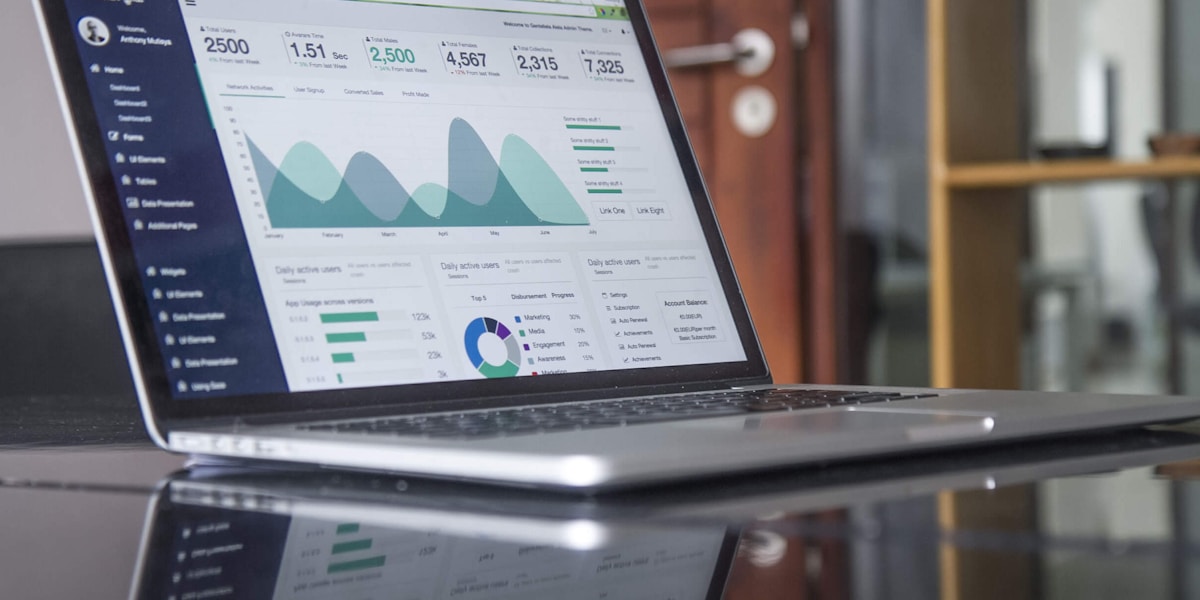
Lattice vs Leapsome vs Vereda AI (2026): Which Performance Platform Is Best for Engineering Teams?
Lattice vs Leapsome: pricing, 1:1s, reviews, and engineering integrations compared for 2026. Plus a purpose-built alternative for EMs who want AI without the enterprise price tag.
Lattice and Leapsome dominate the performance management category, but both were built for HR buyers. If you manage engineers, the comparison looks different. Here's how they stack up against Vereda AI — updated for 2026.

Best 15Five Alternatives and Competitors for Engineering Teams (2026)
Considering leaving 15Five? We compared Lattice, Leapsome, Culture Amp, and Vereda AI on pricing, AI features, and engineering integrations — so you don't have to.
15Five works for HR-led orgs, but engineering managers need tools built for sprint cycles, blocker detection, and burnout signals. Here are the best 15Five alternatives and competitors for 2026 — with pricing compared.

Why AI Assistants Can't Replace Specialized Tools
AI is intelligence without a nervous system. It needs purpose-built data infrastructure to be truly useful.
The rise of AI assistants like Claude has sparked a reasonable question: if AI can analyze anything, advise on anything, and synthesize information instantly, what's the point of specialized tools? The answer lies in understanding what AI actually is and what it isn't.

Can You Be AI-First While Practicing Standups Without AI?
Why organizations claiming to be AI-First must rethink their daily operating rituals
Organizations increasingly describe themselves as AI-First. The phrase appears in strategy decks, operating principles, and executive messaging. Yet when you observe how most teams actually work day to day, a contradiction quickly becomes apparent.

Rethinking Standups: From Time Sink to Strategic Superpower with AI
Transform your daily standups from costly rituals into valuable team insights
Standups are a cornerstone of Agile teams. They are intended to synchronize the team, unearth blockers, and keep work flowing. But more often than not, they do the opposite: they pull engineers away from deep work, recycle the same information, and provide little real insight into team health or execution risk.

How Many Direct Reports Should an Engineering Manager Have?
Managing 10+ engineers? Here's why span of control matters, what breaks at scale, and how top EMs stay on top of every direct report without burning out.
If you ask ten engineering leaders how many engineers one manager should oversee, you'll get ten different answers. The truth is, there's no magic number. But behind every 'it depends' is a simple truth: the role of an engineering manager isn't built to scale infinitely.

Managing Engineering Teams Through the Holidays
How to navigate the season intelligently and maintain clarity through the chaos
The holiday season is one of the most uniquely challenging periods for engineering managers. Between staggered PTO, end-of-year deadlines, company shutdowns, and the manager themselves taking time off, the rhythm of the team can shift dramatically.

The Hidden Pitfalls of Managing Offshore Teams Through Account Managers
Why delegating 1:1s to intermediaries erodes trust, feedback, and team performance
Offshoring can unlock talent, speed, and scale, but it also introduces unique people management challenges. One of the most insidious is the breakdown in the manager-developer relationship when Engineering Managers delegate people management responsibilities to third-party account managers.

Why Annual Reviews Are So Stressful
Few words cause as much stress in engineering teams as 'annual review'
Annual reviews feel heavy because they're often treated as the only moment feedback and performance alignment happen. Learn how regular 1:1s transform the annual review from stressful to streamlined.
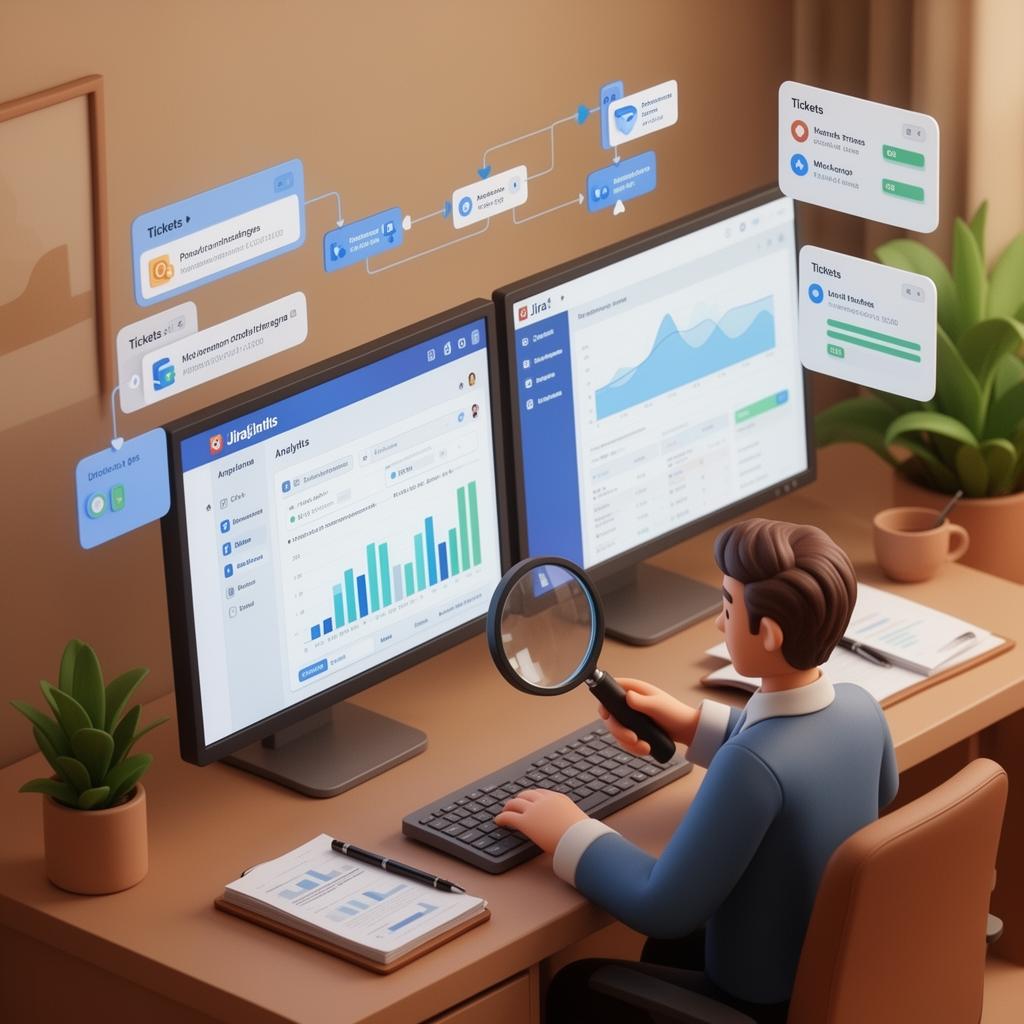
The Illusion of Insight: What Jira Can (and Can't) Tell You About Engineering Performance
Why Jira only gets you part of the way when understanding how your team builds software
Jira tracks everything from story points to sprint velocity, but when it comes to truly understanding engineering performance, it leaves you squinting through a fog of tickets and tags.

The Art of 1:1 Meetings with Engineers
How AI insights can transform conversations and unlock growth
1:1 meetings are the most powerful tool an engineering manager has to influence team health, performance, and growth. Learn how AI insights can make these conversations richer and more actionable.

Spotting Burnout in Engineering Teams: Early Warning Signs
Engineers don't announce burnout — they go quiet. Here's how to read standup patterns, PR velocity, and Slack signals before someone quits.
Burnout rarely happens overnight. Learn to identify subtle behavioral data patterns that signal burnout risks before they escalate into team disengagement or attrition.

The Annual Review Nightmare That Led to Vereda AI
A personal story about inheriting a team during review season
What happens when you inherit a team 30 days before annual reviews are due? A story about the challenge that sparked the idea for Vereda AI.
AI Burnout Detection for Engineering Teams: How It Works and Why It Matters
How AI burnout detection uses standup data, sentiment analysis, and behavioral patterns to catch engineer disengagement before it becomes attrition. A practical guide for engineering managers.
Quarterly engagement surveys catch burnout months too late. AI burnout detection analyzes daily signals — standup patterns, sentiment shifts, behavioral changes — to flag at-risk engineers in real time. Here's how the technology works and what to look for.